I got invited to another diversity panel last week. The email was nice. The topic was “Building Inclusive Brands in the Creator Economy.” There were three other panellists, all women of colour. The moderator was a white man.
I said no. And I want to explain why, because I think it's important.
The Same Conversation on Loop
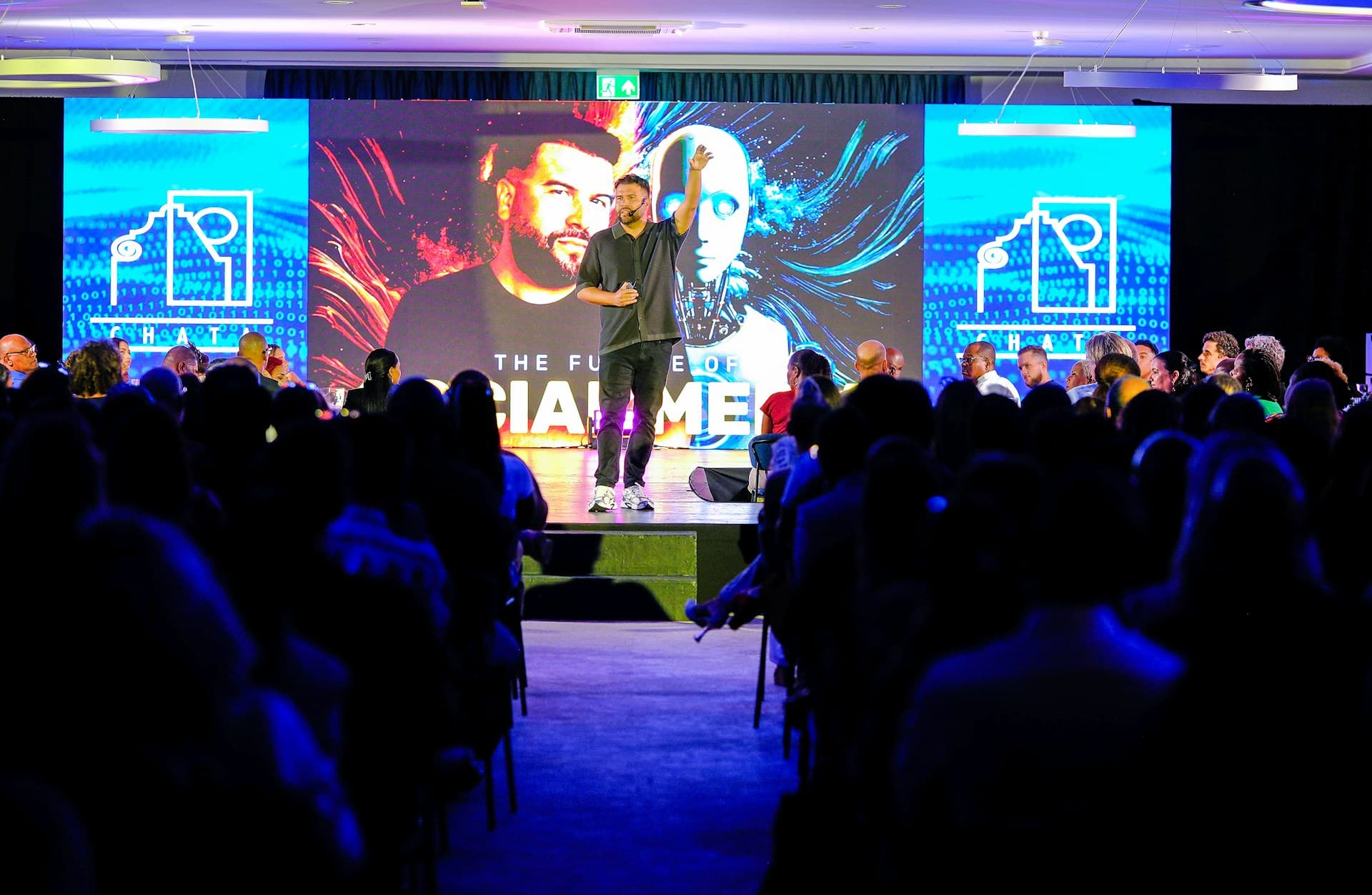
I've done about twenty of these panels in the last two years. At conferences, brand events, industry summits, webinars. The format is always the same. Four or five people of colour sit on stage and explain racism to a room full of people who nod thoughtfully and then go back to doing exactly what they were doing before.
The questions are always the same. “How do we reach diverse audiences?” “What does authentic representation look like?” “How can brands do better?” And we answer them. Patiently. Articulately. With data and personal stories and practical suggestions.
And then nothing changes. Or rather — things change very slowly, and the panels themselves become the thing that organisations point to as evidence of progress. “Look, we had a diversity panel at our conference. We're working on it.”
The Emotional Tax
Here's the part that nobody talks about. These panels are exhausting. Not physically — sitting on a stage for an hour isn't hard. But emotionally. You're being asked to articulate your experience of marginalisation in a way that's palatable, professional, and constructive. You can't be too angry because then you're “aggressive.” You can't be too calm because then “it can't be that bad.”
You're performing your own marginalisation for an audience. And usually, you're not even getting paid for it. Most of these panels are “for exposure.” Which is ironic, given the topic.
After my last panel, a woman came up to me and said, “That was so brave of you to share your experiences.” And I thought: why does it have to be brave? Why is talking about something that happens to me every day considered an act of courage? It should just be... a conversation. But it never is, on those stages.
What I'd Rather Be Doing
Instead of explaining the problem to rooms full of people, I'd rather be solving it. And that's what Mosaic is, at its core. It's the practical alternative to the panel discussion.
Every campaign we run, every creator partnership we build, every brief we push back on — that's the work. That's where things actually change. Not on a stage, but in a meeting room, when you say “these rates aren't equitable” and actually hold the line until they are.
I'd rather spend an hour on a call with a brand, helping them redesign their creator strategy to actually reflect the communities they claim to serve, than spend an hour on stage telling them they should.
An Exception
I want to be fair. Not all panels are performative. Some are genuinely useful. The ones where the audience is made up of people who actually have decision-making power — budget holders, strategy leads, creative directors. The ones where the organisers follow up afterwards and say “based on what was discussed, here's what we're changing.”
Those exist. They're just rare. And they're almost never the ones called “diversity panels.” They're usually called something like “audience strategy” or “market expansion” — because the people organising them understand that diversity isn't a side topic. It's a business imperative.
So no, I haven't sworn off speaking entirely. I've just become very selective about where I spend that energy. If the format is “explain your marginalisation to a room full of people who find it intellectually interesting but not personally urgent” — I'm out. If the format is “help us make a specific, measurable change” — call me.
My time is better spent doing the work than talking about why the work needs to be done.
Amani J. is the Founder and Creative Director of Mosaic Collective. Her inbox is still full of panel invitations and she is getting better at saying no to them.