I was browsing a major online retailer last week — one of the really big ones, the kind your mum shops on — and I noticed they had a section called “Ethnic Wear.” In 2025. Ethnic. Wear.
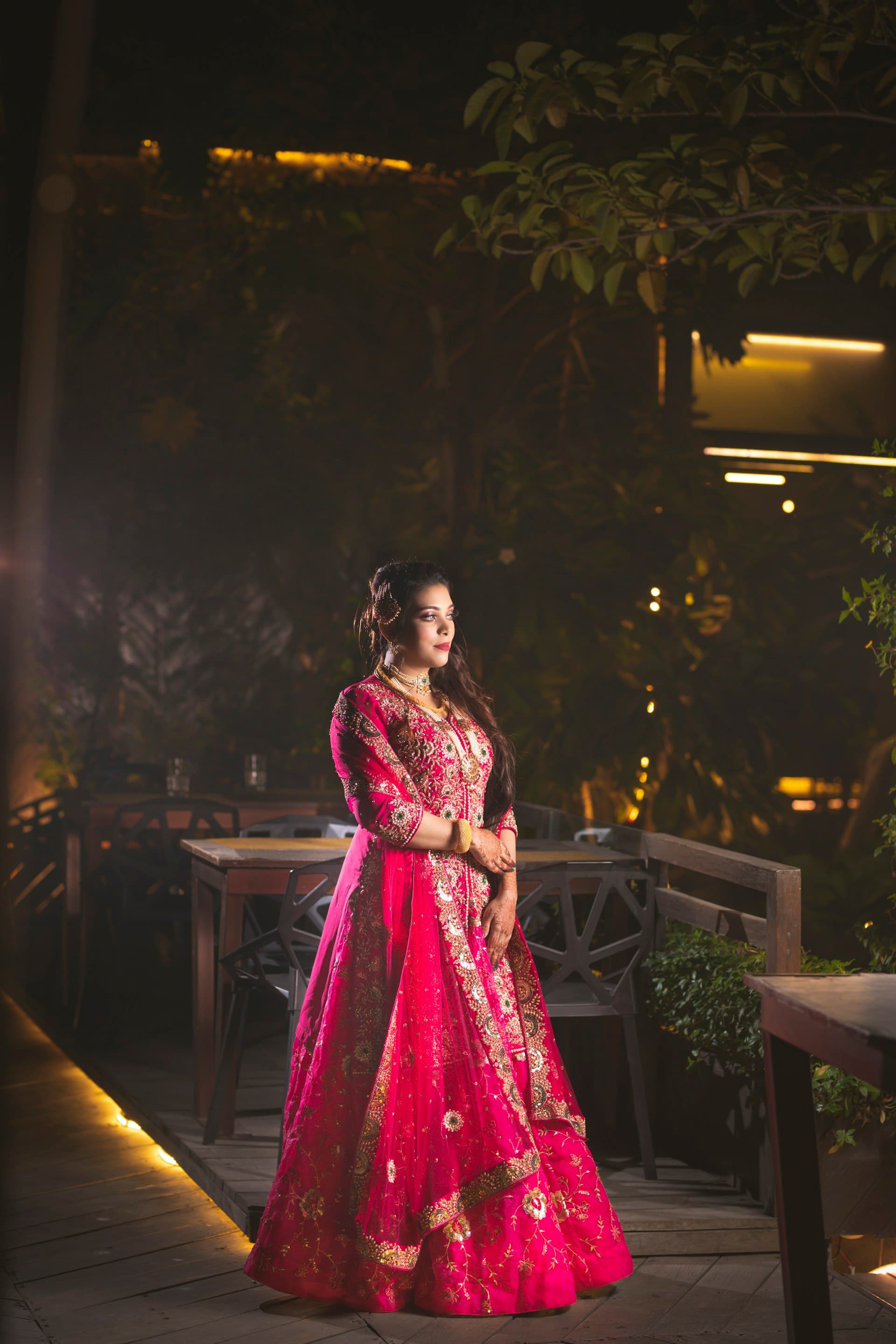
I clicked on it because apparently I enjoy being frustrated. It was full of lehengas, salwar kameez, a few dashikis, some kaftans. Beautiful garments, every single one of them. Categorised under “ethnic” like they're anthropological specimens rather than, you know, clothes that billions of people wear every day.
The Word “Ethnic” Is Doing a Lot of Heavy Lifting
Let's think about what “ethnic” actually means in this context. It means “not Western.” That's it. A t-shirt and jeans is just “clothing.” A beautifully embroidered lehenga that took someone three months to make is “ethnic wear.” A blazer is “fashion.” An agbada is “traditional dress.”
The implication is that Western clothing is the default — the normal — and everything else is a deviation from that norm. A curiosity. Something to be categorised separately, browsed as a novelty, maybe worn to a themed party.
This drives me up the wall.
Why This Matters for What We Do
At Mosaic, a significant portion of our campaigns involve fashion, textiles, and personal styling. And the language around these things matters enormously. When a brand asks us to promote their “ethnic collection,” we push back on the language before we even discuss creators.
Because here's what happens: you label something “ethnic” and it immediately gets siloed. It's shown to a smaller audience. It's merchandised separately. It gets less homepage real estate. It becomes niche by default — not because the product is niche, but because the categorisation made it so.
A cheongsam shouldn't need a special category. Put it next to the dresses. Because that's what it is. A dress. A stunning one.
The Creators Who Are Getting It Right
The thing that gives me hope is the creators we work with. They're not waiting for retailers to fix their categories. They're just wearing what they wear and posting it. A South Asian creator styling a salwar kameez for a day at the office. A Black British creator wearing an ankara print to a fashion week event. A Caribbean creator mixing traditional and contemporary pieces in ways that make the whole “ethnic vs. normal” distinction look ridiculous.
That's the content that performs, by the way. The stuff that doesn't treat cultural clothing as costume. The stuff that says: this is what I wear because it's beautiful and it's mine and I don't need to explain it to you.
The brands that understand this are the ones winning. The ones still putting “ethnic” in their nav bar are losing customers to creators who are, frankly, doing a better job of selling the same garments without the patronising label.
What I'd Like to See
Retire the word “ethnic” from fashion retail. Just bin it. Put the lehenga next to the maxi dress. Put the dashiki next to the shirt. Let the garment speak for itself without a qualifier that essentially means “foreign.”
And if you're a brand launching a collection inspired by South Asian or African or East Asian design — just say that. Say “inspired by.” Credit the origin. Name the culture. Don't hide behind a catch-all term that flattens a dozen different traditions into one vague category.
Language shapes perception. If you call it ethnic, people treat it as other. If you call it fashion, people wear it.
It really is that simple. And also, apparently, that hard.
Amani J. is the Founder and Creative Director of Mosaic Collective. She owns more lehengas than she can store and is not sorry about it.