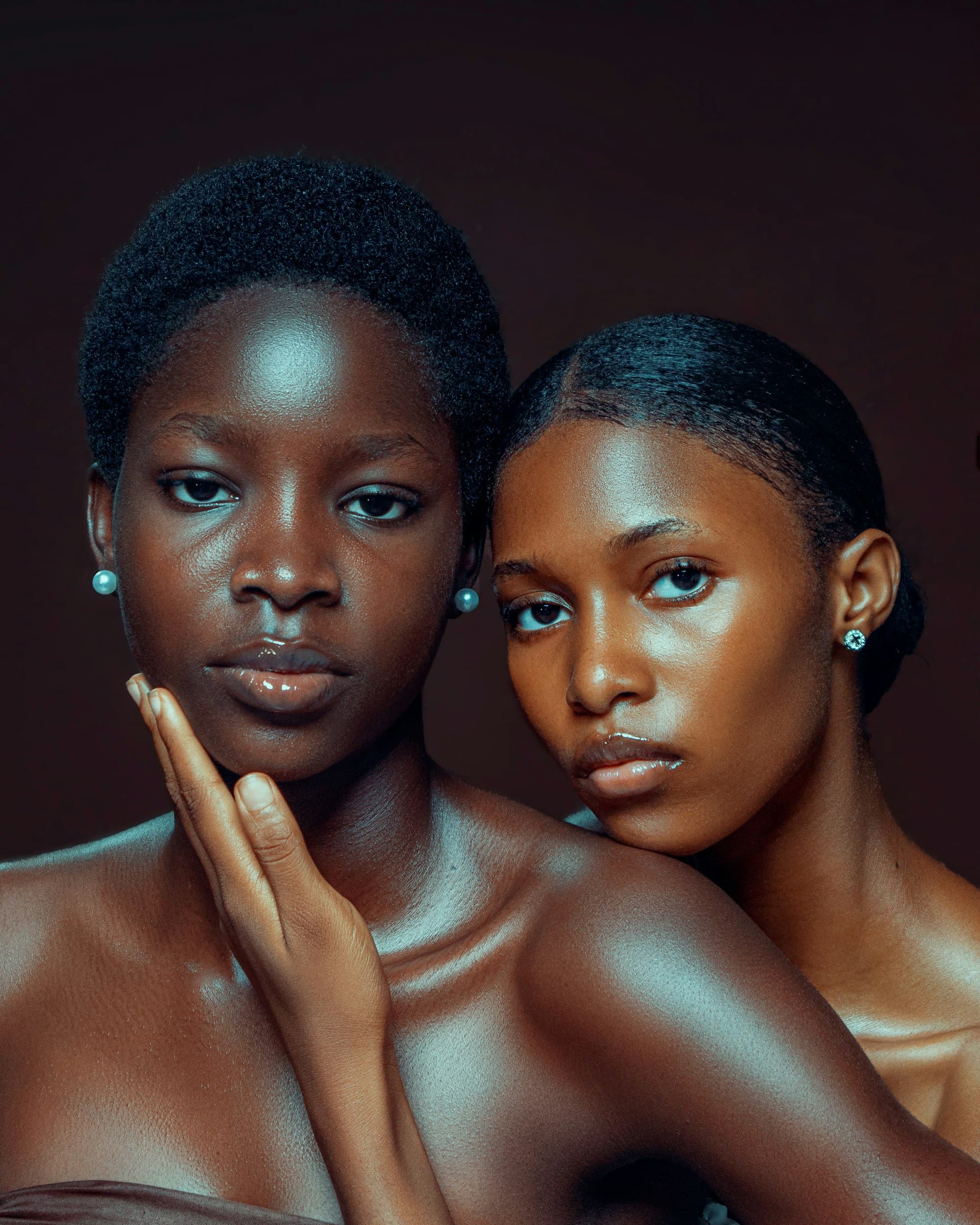
I want to talk about something that's been bugging me for a while. And I say this as someone who literally works in marketing, so I know how this is going to sound.
Inclusive beauty is not a campaign. It's not a quarterly initiative. It's not something you bolt onto your existing product line and then congratulate yourself for. And yet. Here we are. Still having this conversation in 2025.
What “Inclusive” Actually Looks Like
We recently worked with a cosmetics brand — I can't name them, but they're one of the good ones. And the reason I say “good ones” is because they didn't build their shade range and then find diverse models to sell it. They built the product around the skin tones first. Forty-seven shades at launch. Not twelve with a “deep” section tacked on at the end.
That distinction matters more than people realise. When you formulate for darker skin tones from the start, the undertones are right. The oxidation works differently. The product actually performs. I've lost count of how many “inclusive” foundations I've tried that turn grey or orange on my skin within two hours. That's not inclusion. That's a colour swatch.
The Campaign We Built
So when this brand came to us, the brief wasn't “make us look diverse.” The brief was “we've built something genuinely good and we need creators who can speak to that authentically.” Different energy entirely.
We assembled a group of 12 creators. Mix of skin tones, ages, skin concerns. Some had huge followings, some were micro-creators with incredibly engaged audiences. The one thing they all had in common: they'd all publicly talked about the difficulty of finding products that work for them. So when they said this one did, people believed them. Because it wasn't scripted. It was relief.
One creator — she's got maybe 30k followers, mostly within the South Asian beauty community — did this video where she applied the foundation and just went quiet for a second. Then she said, “it actually matches.” That was it. No dramatic reveal. Just genuine surprise. That video outperformed everything else in the campaign by about 400%.
Why I'm Telling You This
Because the numbers were good. Really good. The brand saw a measurable lift in sales across their deeper shade range. Return rates dropped. Engagement was through the roof. And the comments section was full of women saying “I've never seen my shade in an ad before.”
So here's my point, and it's a pretty simple one: inclusive beauty is good business. Not because diversity is trendy (though, God, are brands treating it like it is) but because there are millions of consumers who have been actively underserved by the beauty industry for decades. They have money. They want to spend it. They just need you to actually make products for them.
Revolutionary stuff, I know.
The Bit Where I Get a Bit Preachy
If you're a beauty brand and your shade range stops at “medium dark” — fix it. Not because Twitter will come for you (though they might). Fix it because you're leaving money on the table and, more importantly, you're telling a significant portion of the population that they don't matter enough to formulate for.
And if you're already doing the work — properly doing it, not just the marketing version — then let the people who use your products tell that story. Don't hire a model who's never had a shade-matching problem in her life to sell your “inclusive” range. Work with creators who've lived the frustration. Their authenticity will sell more product than any campaign concept you can dream up in a boardroom.
Trust me on this one. The data backs it up.
Sloane V. is Head of Talent at Mosaic Collective. She spends most of her time connecting brands with creators who actually care about the work, and the rest of her time being annoyed at brands who don't.